

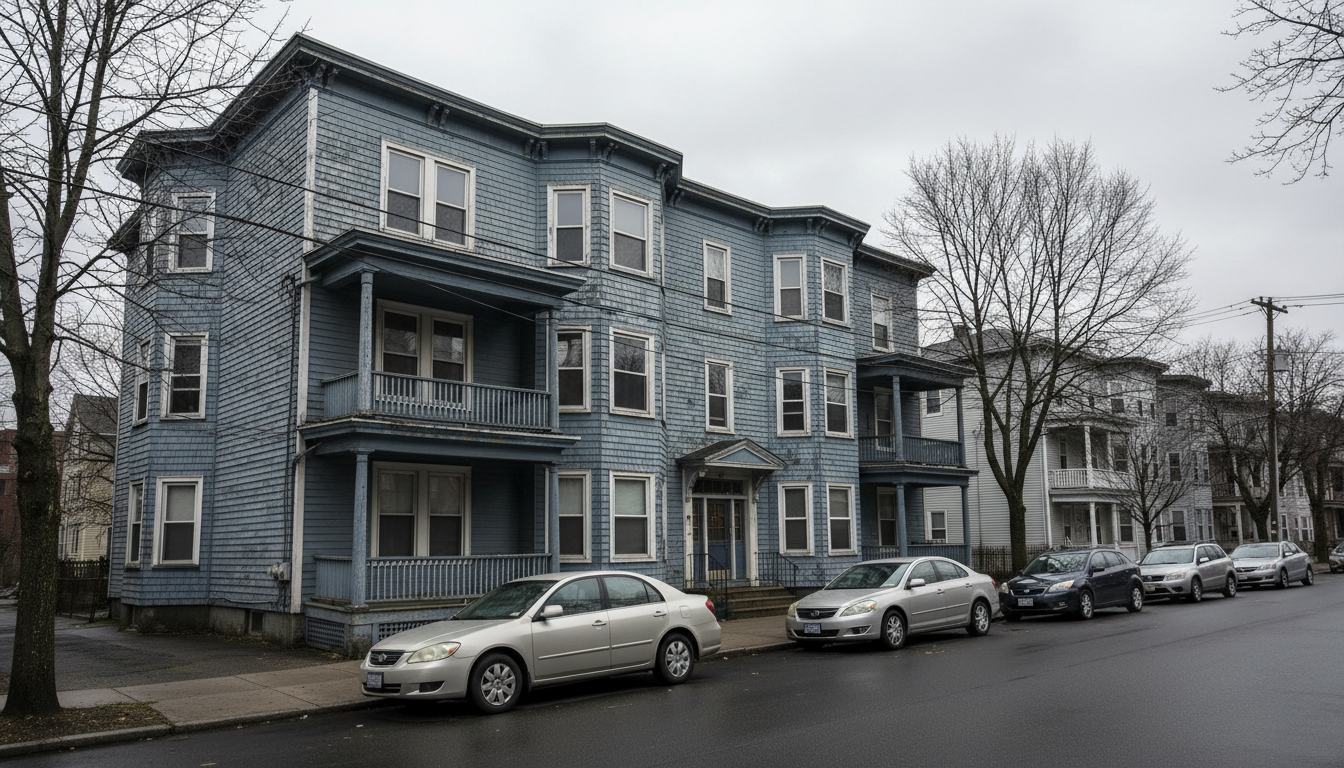
You tour a $3,500-a-month apartment and find original 1970s appliances, a bathroom fan that barely moves air, and radiators that look like they've never been serviced. It's a common Boston experience. High rent doesn't reliably mean a well-maintained unit, and older buildings make up a huge share of what's actually on the market. Before you sign on one, it's worth knowing exactly what to check, what's normal wear for a building that age, and what's a real problem.
Why older Boston apartments cost this much anyway
The short version: rents in Boston are driven far more by scarcity than by unit condition. Old, under-maintained apartments still rent at a premium when there simply aren't enough units to go around. We've covered the full picture of why Boston rent runs so high elsewhere; this guide is about what to actually do with that reality when you're standing in an older unit deciding whether to sign.
The room-by-room checklist
Kitchen and bathroom
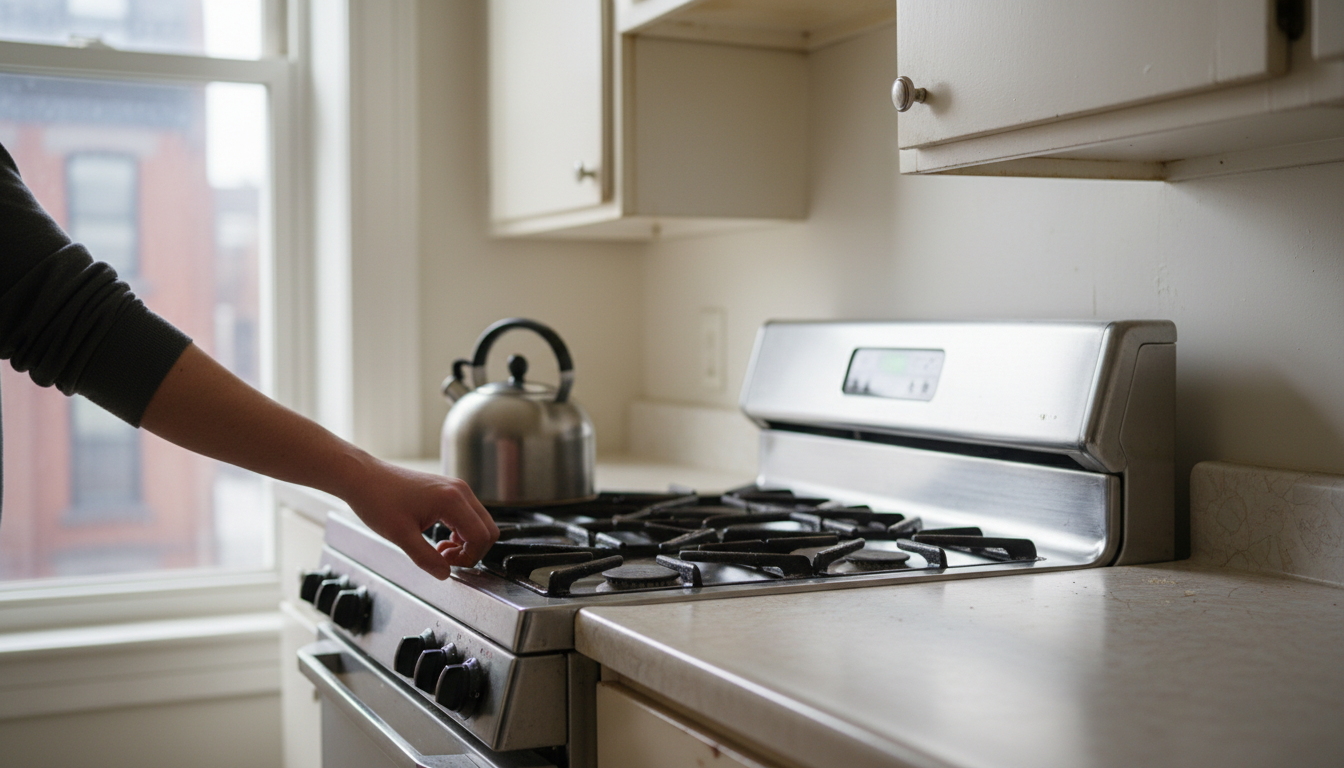
Turn on every faucet and check both water pressure and how quickly it gets warm. Run the disposal if there is one, and flush the toilet to check that it doesn't run or drain slowly. Test every appliance (stove burners, oven temperature, dishwasher, and refrigerator) rather than assuming they work because they're plugged in. In the bathroom, check for mold around the tub and shower, test that the ventilation fan actually pulls air, and look for loose tile or deteriorating grout, especially near the shower.
Heating, electrical, and windows
Test the heating system even if you're touring in warm weather, and ask directly about its age and how the building distributes heat. Test every electrical outlet with something small like a phone charger, and flip every light switch. Open and close all the windows, including any near a fire escape, to confirm they're not painted or swollen shut, and check for drafts or worn weather-stripping.
Structural signs
Look at walls and ceilings for cracks, water stains, or patch jobs that might be covering a bigger issue. A dark stain on a ceiling is often a sign of a plumbing problem from the unit above. Pay attention to how much sound carries between units and from the street. Older buildings vary widely on this, and it's much easier to notice during a tour than to discover after you've moved in.
Pests
Check under the sink, inside cabinets, and along baseboards for droppings, gnaw marks, or dead insects. Look at carpeted areas and, if visible, mattresses left behind. A single sighting doesn't necessarily mean an active infestation, but visible signs in multiple spots are worth asking the landlord about directly.
Safety non-negotiables
A few things are legally required, not just nice to check, and worth confirming before you sign rather than after. Every unit needs working smoke detectors, and carbon monoxide detectors are required as well, particularly relevant if the building uses gas appliances. Every unit needs at least two independent exits, and neither should be blocked or obstructed. If the building was constructed before 1978, ask about lead paint compliance. Deteriorated paint in pre-1978 buildings can be a genuine hazard, and it's reasonable to ask the landlord directly about testing and remediation history.
Is this normal for an older Boston building, or a red flag?
This is the harder judgment call, and it's one most checklists skip. Some amount of dated-but-functional is normal for Boston's housing stock: older radiator systems, smaller closets, a kitchen that hasn't been updated in a decade. That's different from a unit that's neglected. A few signals that tip toward "push back or walk away" rather than "normal for the building's age": heat that struggles to keep the unit warm through a Boston winter, visible water damage that looks recent or ongoing, a pest problem that's clearly active rather than historical, or a landlord who's vague or evasive when you ask direct questions about any of the above. A building being old isn't itself a red flag. A landlord being unwilling to address real problems in an old building is.
What to do with what you find
Document everything
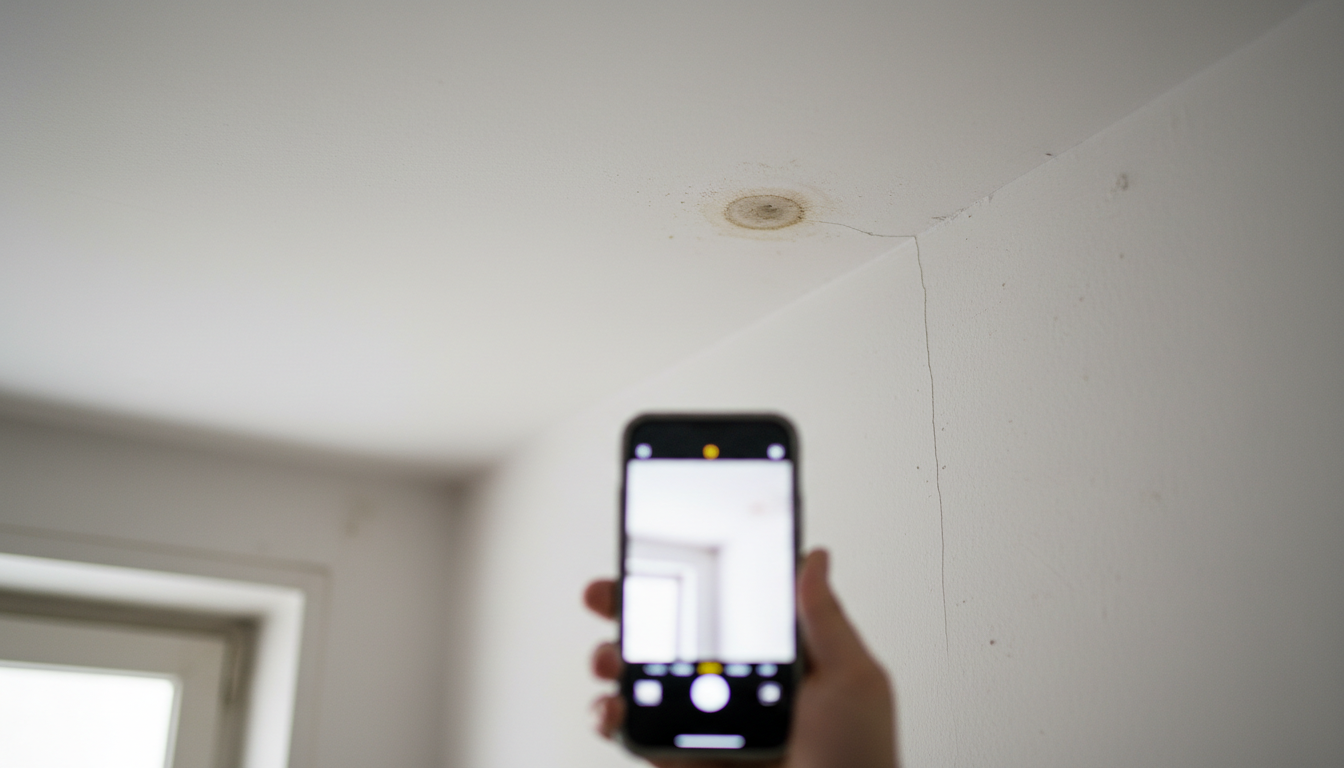
Take dated photos of anything you notice, even minor things: a scuff, a stain, a loose tile. Massachusetts law requires a landlord-provided statement of the unit's condition, with a window afterward to add your own notes (we break down the exact statutory deadlines elsewhere). Photos taken during your tour, before you've even signed, are the strongest evidence you can have that a given issue existed before you moved in.
When to push back before signing
If your checklist turns up real issues, like broken heat, active pests, or safety problems, raise them before you sign, not after. A landlord who's willing to fix things or adjust terms in response is telling you something useful about how they'll handle problems once you're a tenant. Get any promised repairs in writing rather than relying on a verbal agreement.
When to walk away
Some things are worth treating as deal-breakers regardless of price: a landlord who won't address a genuine safety issue, no working heat with no clear plan to fix it, or a pattern of evasiveness when you ask direct questions. An old apartment with an engaged landlord is a very different situation than an old apartment with a landlord who disappears when problems come up.
FAQ
Is it normal for an apartment to still have old appliances in Boston?
Yes, this is common, especially in buildings that haven't turned over tenants in a while. Old doesn't mean broken; the checklist above is about confirming things actually work, not expecting everything to be new.
What should I do if I find something wrong during a tour?
Document it with photos, ask the landlord directly, and get any promised fix in writing before you sign. Don't rely on a verbal promise that something will be addressed after move-in.
Do I need to worry about lead paint in an older Boston apartment?
It's worth asking about directly if the building was constructed before 1978, since older paint layers can pose a real risk once they start chipping or peeling. It's a question landlords expect, so don't hesitate to raise it.
How long do I have to document the unit's condition after moving in?
Massachusetts landlords have to hand over a condition statement, and tenants typically get about 15 days afterward to add their own notes or corrections.
Is a little bit of noise between units normal in an older Boston building?
Some sound transfer is common in older construction, but it varies a lot by building. It's worth paying attention to during your tour so you know what to expect, rather than being surprised after you've moved in.
Who do I contact if I have a specific concern about a unit before signing?
Boston's Inspectional Services Department can answer questions about a building's rental status and, once you're a tenant, will investigate code violations. Their number is 617-635-5300.
This article is informational and isn't legal advice.