

Subletting an apartment in Boston can be a practical solution for tenants who need to move to Boston, temporarily, want to reduce rental costs, or can’t terminate their lease early. However, the process isn’t as simple as handing over the keys to someone else — Boston’s rental market is governed by a mix of Massachusetts state laws, local ordinances, and lease-specific rules that you must follow to avoid legal and financial trouble.
Whether you’re a tenant, landlord, or prospective subtenant, understanding the rules for subletting apartments in Boston is essential for a smooth and legal arrangement. This guide breaks down everything you need to know, from landlord consent requirements to penalties for illegal subletting.
Understanding Subletting in Boston
What is Subletting vs. Assigning Your Lease?
A sublet occurs when the original tenant rents out all or part of their apartment to another person (the subtenant) for a specific period while remaining responsible for the lease. An assignment (or lease assignment) transfers the tenant’s full rights and responsibilities to another person, with the landlord’s approval, for the remainder of the lease term. The difference is important because subletting keeps the original tenant liable, while an assignment can end your obligations if approved.
Why Tenants Consider Subletting
Common reasons for subletting include:
- Temporary work relocation
- Extended travel
- Studying abroad
- Needing help covering rent
In Boston’s high-rent market, subletting can also make housing more affordable for both parties.
Boston Rental Market & Subletting Trends
Boston’s competitive housing market, combined with its large student population, makes subletting especially common. Short-term summer sublets are in high demand, while winter sublets can be harder to fill.
Legal Requirements for Subletting in Boston
Massachusetts Law on Subleasing
Under Massachusetts law, tenants do not have an automatic right to sublet. The ability to sublet is determined by the lease agreement and landlord’s consent. If your lease prohibits subletting, attempting to do so without permission is a lease violation that can lead to eviction.
Boston’s Local Ordinances and Housing Regulations
Boston does not have a separate city-wide law specifically allowing or banning subletting. Instead, it enforces housing safety regulations and tenant rights laws that apply to all rental arrangements. This means your lease and state law will primarily dictate subletting rules, but city inspections or permitting may be required for certain housing types.
When Landlord Consent is Mandatory
In almost all cases, you must obtain the landlord’s written consent before subletting. This protects both you and the landlord, ensuring:
- The subtenant is screened
- Lease terms remain enforceable
- Rent payments continue without disruption
Your Lease Agreement: The First Place to Check
Lease Clauses That Allow or Prohibit Subletting
Read your lease carefully for terms like:
- “Subletting prohibited”
- “Subletting allowed with landlord consent”
- “Tenant may sublet with written approval”
If your lease says “no subletting,” you must negotiate a special agreement to make it legal.
Reviewing Your Lease for Subletting Terms
Look for details about:
- Notice requirements (e.g., 30 days before subletting)
- Documentation needed (sublease agreement, background checks)
- Duration limits (short-term vs. long-term sublets)
What if the Lease Doesn’t Mention Subletting?
If your lease is silent on subletting, Massachusetts law requires you to get the landlord’s permission before proceeding.
The Subletting Approval Process
How to Request Landlord’s Written Consent
Follow these steps:
- Write a formal request stating your reason for subletting and the proposed start/end dates.
- Include details about the subtenant (name, employment, references).
- Attach supporting documents (proof of income, ID, rental history).
- Submit the request by email or certified mail to create a paper trail.
Required Documentation & Forms
- Sublease agreement (signed by you and subtenant)
- Proof of subtenant’s stable income
- Background check results
- Copy of original lease for subtenant’s reference
Timeframe for Approval & Tenant Notice Requirements
Landlords generally have a reasonable amount of time to respond — often 7–14 days. Failure to respond may be treated as denial unless your lease specifies otherwise.
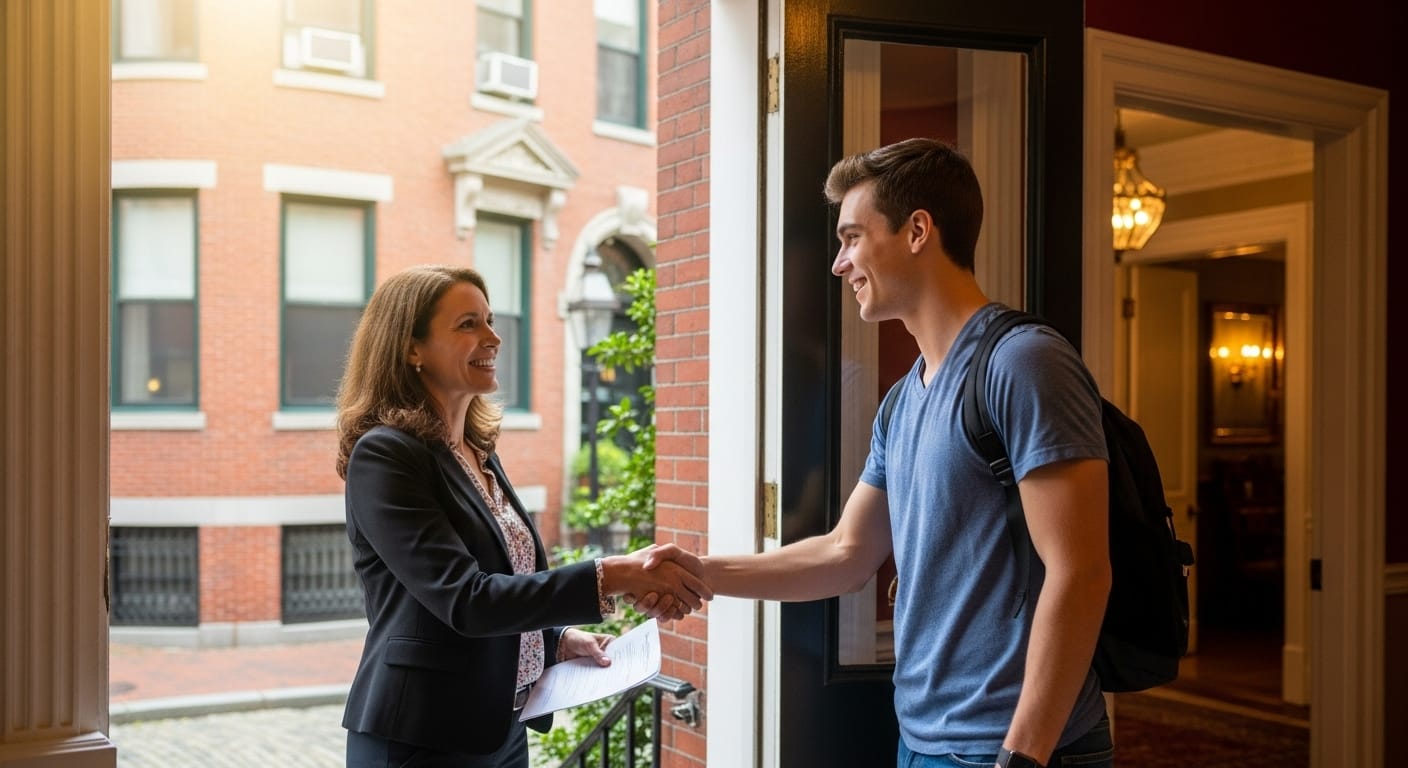
Tenant & Landlord Rights in Subletting
Tenant Responsibilities During a Sublease
- Continue paying rent to the landlord
- Ensure subtenant complies with lease terms
- Cover damages caused by subtenant
- Maintain communication with the landlord
Landlord Rights to Approve, Deny, or Set Conditions
Landlords may:
- Deny subletting if the subtenant doesn’t meet rental criteria
- Require additional security deposit
- Adjust rent only if permitted by lease or law
Security Deposits & Rent Adjustments
If a subtenant pays a deposit, it must be handled according to Massachusetts security deposit law (held in a separate interest-bearing account).
Restrictions & Penalties for Illegal Subletting
Common Lease Violations and Consequences
- Unauthorized occupancy
- Failure to obtain written consent
- Subletting for profit without approval
Penalties may include eviction, forfeiture of security deposit, and legal action.
Special Rules for Rent-Controlled and Subsidized Housing
In subsidized units, subletting often has stricter rules and may be prohibited entirely.
How Boston Enforces Subletting Violations
If a landlord discovers an illegal sublet, they may issue a Notice to Quit, starting the eviction process.
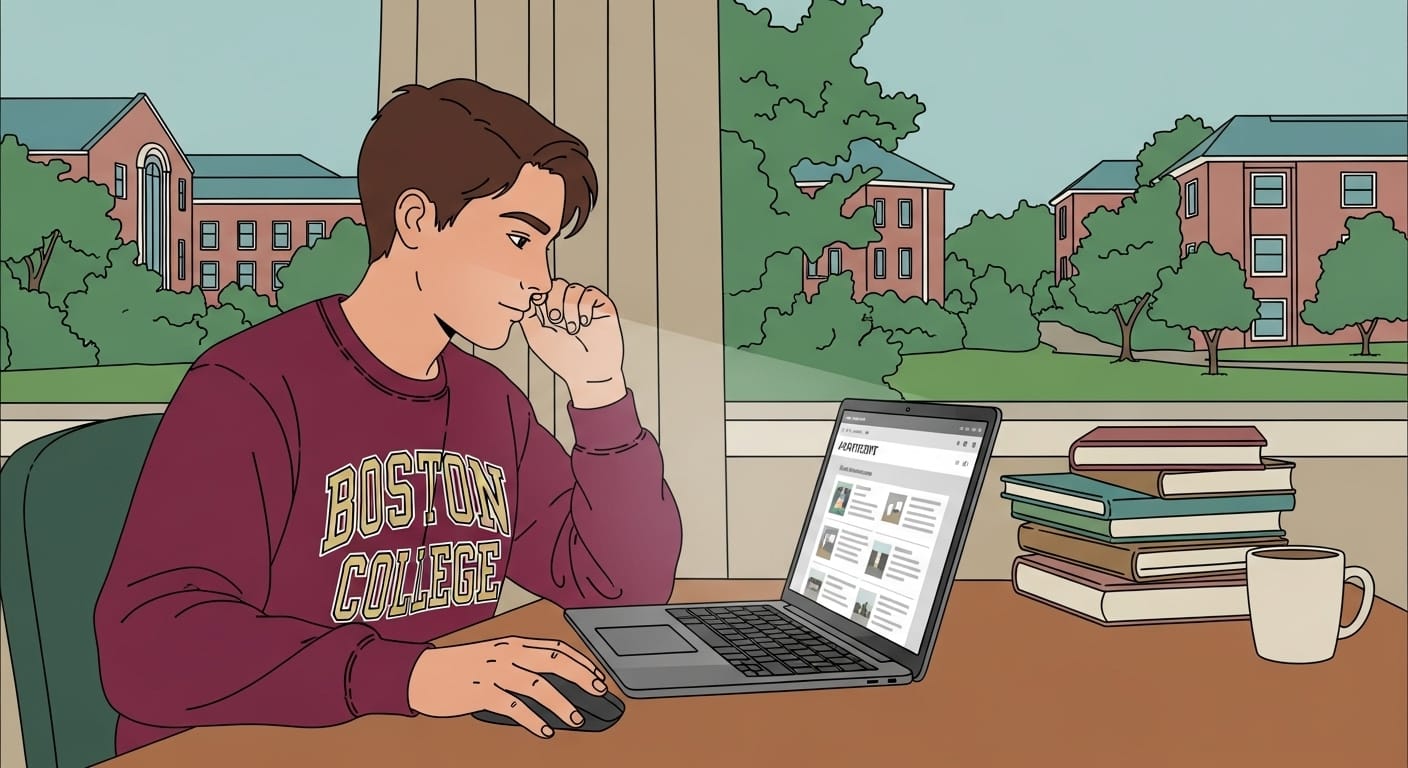
How to Find a Reliable Subtenant in Boston
Where to Advertise Your Sublet
- Craigslist (filter for “sublet” listings)
- Facebook Marketplace & local groups
- University housing boards
- Roommate-matching sites
Screening Subtenants
- Conduct interviews
- Request proof of stable income
- Run background and credit checks
- Verify rental history
Creating a Clear & Binding Sublease Agreement
Include:
- Start and end date
- Rent amount and due date
- Security deposit details
- Maintenance responsibilities
- Rules for utilities and shared spaces
Short-Term vs. Long-Term Subletting Rules
Temporary Arrangements (Under 3 Months)
These are common for summer or winter breaks but still require landlord consent.
Extended Subleases (3+ Months)
Longer subleases may require more documentation and stricter screening.
Airbnb and Short-Term Rental Restrictions
Boston has specific short-term rental regulations — many residential leases prohibit Airbnb entirely. Always verify with your landlord and city rules.
Steps to Ensure a Legal & Smooth Sublet
- Review your lease for subletting terms.
- Verify Massachusetts and Boston laws that apply.
- Request and obtain landlord’s written consent.
- Advertise and screen subtenants carefully.
- Sign a formal sublease agreement.
- Notify landlord with all documentation.
- Stay responsible for rent and property condition.
Frequently Asked Questions
1: Do I need landlord permission to sublet my apartment in Boston?
In Boston, subletting usually requires written landlord permission. A landlord can refuse if the lease bans subletting or the subtenant fails requirements. Illegal subletting risks eviction, deposit loss, and legal action. If a subtenant misses rent, you must pay. Airbnb sublets need lease approval and compliance with city rules.
2: Can my landlord refuse to allow subletting?
A landlord in Boston can refuse subletting if the lease prohibits it or if the subtenant fails to meet rental requirements. Lease terms and tenant qualifications determine whether subletting is allowed.
3: Are there penalties for illegal subletting in Massachusetts?
In Massachusetts, illegal subletting can lead to eviction, loss of your security deposit, and potential legal action. Penalties depend on lease terms and the landlord’s legal rights under state housing laws.
4: What happens if my subtenant doesn’t pay rent?
If your subtenant does not pay rent, you remain fully responsible for paying the landlord the total rent amount. The original lease holds you accountable regardless of subtenant payment.
5: Can I sublet my Boston apartment for Airbnb?
You can sublet your Boston apartment for Airbnb only if your lease permits it and you comply with Boston’s short-term rental regulations. Many leases and city rules prohibit Airbnb rentals.

Key Takeaways
- Subletting in Boston is not automatically allowed — it depends on your lease and landlord consent.
- Always get written approval and document all agreements.
- Screening subtenants is crucial to avoid financial and legal problems.
- Unauthorized subletting can lead to eviction and financial loss.
By understanding the rules for subletting apartments in Boston, you can make the process legal, safe, and beneficial for all parties involved.