


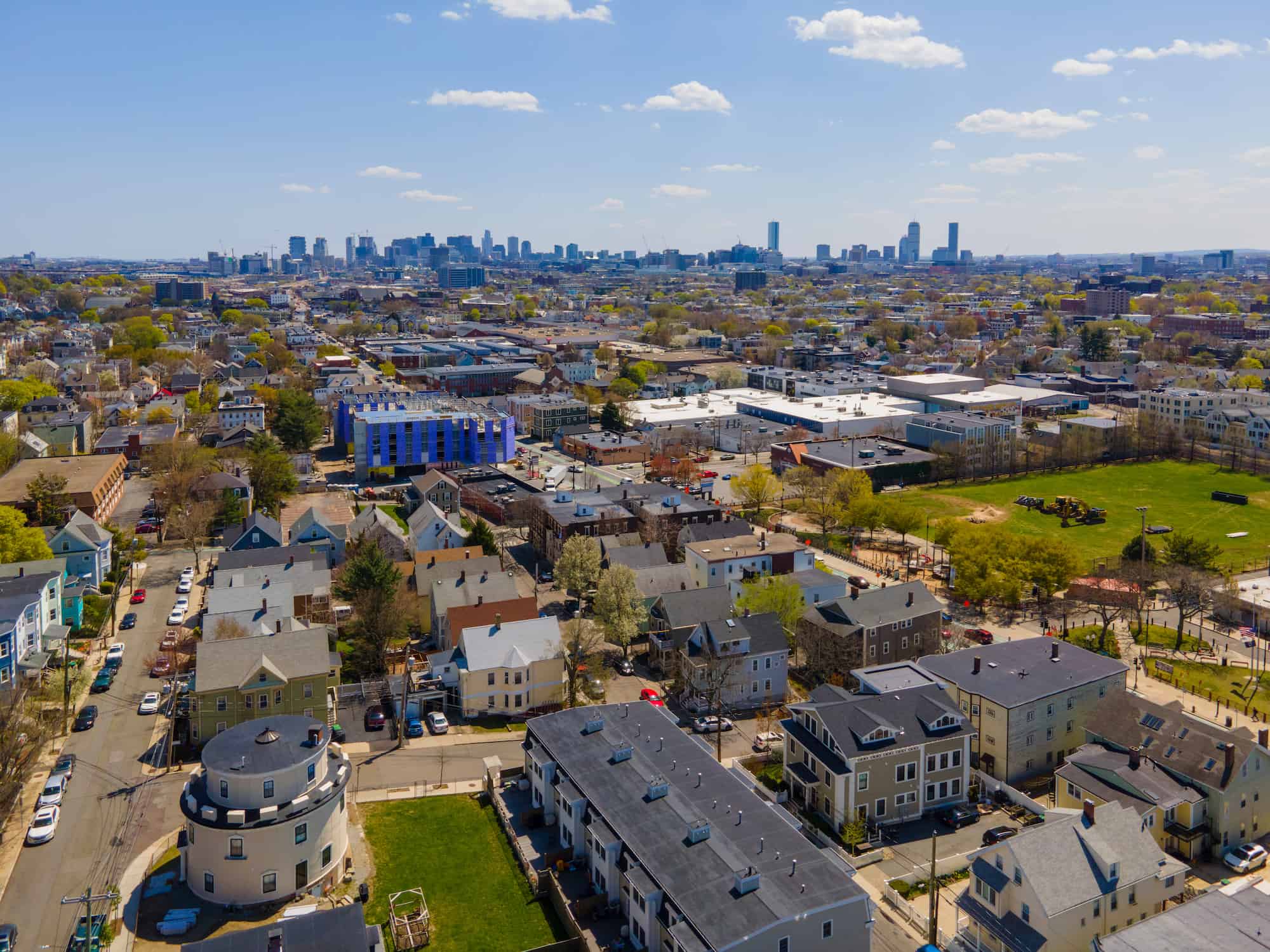
Somerville, MA, stands out as one of the most walkable cities in the United States. With its dense urban layout and numerous amenities within close proximity, residents find it easy to run errands, commute, and enjoy recreational activities on foot. Somerville's walkability is highlighted by its impressive Walk Score of 89, which indicates that most daily activities can be accomplished without the need for a car. This city’s infrastructure supports a pedestrian-friendly lifestyle, making it attractive to those who prefer walking over driving.
Key Features of a Walkable City
Several factors contribute to Somerville's high walkability. Firstly, the city's grid layout and mixed-use development mean that residential, commercial, and recreational areas are well-integrated. Sidewalks are wide and well-maintained, enhancing pedestrian safety and comfort. Additionally, the presence of numerous parks and green spaces, such as the popular Davis Square and Assembly Row, encourages walking as a mode of transportation. Accessibility to schools, grocery stores, restaurants, and cafes within walking distance adds to the convenience of living in Somerville.
Walk Score of Somerville, MA
A Walk Score of 89 classifies Somerville as a "Walker's Paradise," where daily errands do not require a car. This high score is a testament to the city’s design and infrastructure aimed at supporting pedestrian activities. Neighborhoods like Union Square, Porter Square, and Inman Square boast some of the highest walk scores in the city. These areas are known for their vibrant street life, diverse dining options, and unique shopping experiences, all accessible by foot.
Popular Walkable Neighborhoods
Union Square and Davis Square are among the most walkable neighborhoods in Somerville. Union Square, with its long commercial history, offers an array of international restaurants, boutique shops, and entertainment venues. Davis Square is known for its lively arts scene, featuring theaters, galleries, and music venues. Both neighborhoods provide easy access to essential services, making them desirable places to live for those who value walkability.
Benefits of Walkability in Somerville
Living in a walkable city like Somerville brings numerous benefits that enhance the quality of life for its residents. From health and environmental advantages to economic perks, the walkability of Somerville plays a crucial role in its appeal.
Health and Lifestyle Advantages
Walking as a primary mode of transportation offers significant health benefits. Regular walking helps maintain a healthy weight, reduces the risk of chronic diseases such as diabetes and heart disease, and improves mental well-being. Somerville's walkable environment encourages residents to incorporate more physical activity into their daily routines, contributing to a healthier lifestyle overall. Furthermore, walking to local parks and recreational areas provides opportunities for outdoor activities and social interactions, promoting a sense of community.
Environmental Impact
Walkability contributes to a lower carbon footprint by reducing the reliance on cars. Fewer cars on the road lead to decreased air pollution and greenhouse gas emissions, which is beneficial for the environment. Somerville's commitment to walkability aligns with broader efforts to combat climate change and promote sustainable urban living. The city's investment in green spaces and pedestrian infrastructure demonstrates a commitment to environmental stewardship, making it an attractive place for eco-conscious individuals.
Economic Benefits
The economic benefits of walkability are significant. Properties in walkable areas tend to have higher values and are more desirable, reflecting the demand for homes in such locations. Businesses in walkable neighborhoods often experience increased foot traffic, leading to higher sales and economic vitality. Additionally, residents save money on transportation costs, as they rely less on cars and public transit. In Somerville, the convenience of walking can translate into substantial savings on fuel, maintenance, and parking expenses.
Public Transportation and Accessibility
While Somerville's walkability is a major draw, the city's public transportation options further enhance its accessibility. Efficient and well-connected public transit systems complement the pedestrian-friendly environment, making it easy for residents to navigate the city and beyond.
Availability of Public Transport
Somerville is well-served by the Massachusetts Bay Transportation Authority (MBTA), providing residents with reliable and extensive public transportation options. The Red Line and Green Line Extension (GLX) connect Somerville to downtown Boston and other key areas in the Greater Boston region. The MBTA bus network also offers comprehensive coverage, ensuring that even neighborhoods farther from subway stations have access to public transit. This accessibility reduces the need for car ownership and supports a more sustainable urban lifestyle.
Connectivity to Boston and Surrounding Areas
Somerville's proximity to Boston is a significant advantage for commuters. The Red Line provides a direct link to Cambridge and Boston, making it easy for residents to commute to major employment centers and educational institutions. The recent Green Line Extension has further improved connectivity, offering additional routes and reducing travel times. This enhanced accessibility makes Somerville an ideal location for those who work or study in Boston but prefer the charm and community feel of a smaller city.
Biking and Other Transportation Options
In addition to walking and public transit, Somerville is also a bike-friendly city. The city has invested in dedicated bike lanes, bike-sharing programs, and ample bike parking facilities. Popular routes like the Somerville Community Path provide safe and scenic pathways for cyclists. Other transportation options, such as car-sharing services and ride-hailing apps, offer additional flexibility for residents who need occasional access to a vehicle.
Living in Somerville: What to Expect
Choosing to live in Somerville means enjoying a high quality of life in a community-oriented environment. With its blend of walkability, transit, and diverse housing options, Somerville caters to a wide range of preferences and lifestyles.
Walking Conditions
Pedestrian conditions matter as much as distance when you are judging a walkable neighborhood. Much of Somerville has well-lit streets, marked crossings and traffic-calmed side streets, and the Community Path keeps walkers and cyclists off the road entirely. Those are the things worth checking on a visit: how wide the sidewalk is, how long the crossing signal holds, whether the route you would walk every day is lit after dark, and how the surface holds up after snow.
Rental Prices in Walkable Areas
Somerville's walkable neighborhoods tend to command higher rental prices due to their desirability. For instance, Somerville one-bedrooms average $2,570 a month in the Spot Easy Rent Index for August 2026. The Index publishes Somerville as a whole rather than Davis or Union Square on their own, and it is regenerated monthly, so check it there rather than trusting a figure in an article. Despite the higher costs, the convenience and quality of life offered by these neighborhoods justify the investment for many renters. However, more affordable options can still be found in less central areas while retaining the benefits of walkability.
Amenities and Services
Living in Somerville means having easy access to a wide range of amenities and services. Walkable neighborhoods are home to diverse dining options, from casual eateries to fine dining establishments. Grocery stores, pharmacies, and other essential services are typically within walking distance, reducing the need for frequent car trips. The presence of community centers, libraries, and parks adds to the vibrancy of the city, offering residents numerous opportunities for recreation and social engagement.
Comparisons with Other Massachusetts Cities
Understanding how Somerville's walkability compares to other cities in Massachusetts can help prospective residents make informed decisions about where to live.
Walkability in Boston vs. Somerville
Boston is renowned for its walkability, with a Walk Score of 82. While this is slightly lower than Somerville's score, both cities offer highly walkable environments. Boston’s downtown area and neighborhoods like Beacon Hill and Back Bay are particularly pedestrian-friendly. However, Somerville's smaller size and community feel may appeal more to those seeking a less congested urban experience.
How Somerville Compares to Cambridge
Cambridge, another neighboring city, boasts a Walk Score of 87. Like Somerville, Cambridge offers a blend of residential and commercial areas that are easily navigable on foot. Both cities are well-connected by public transit and have vibrant cultural scenes. The choice between the two often comes down to personal preference, with Somerville offering a slightly more affordable cost of living compared to Cambridge.
Other Walkable Areas in Massachusetts
Several other cities and towns in Massachusetts are known for their walkability. For instance, Brookline and Newton offer suburban settings with highly walkable neighborhoods. These areas provide a mix of urban and suburban living, appealing to those who want the benefits of walkability without being in a densely populated city. Each location has its unique charm and advantages, making Massachusetts a great state for those who prioritize walkability.
Conclusion
Somerville, MA, offers a highly walkable environment with numerous benefits for residents. Its well-designed infrastructure, vibrant neighborhoods, and accessible public transportation make it an attractive place to live. Whether you're considering renting in Union Square or exploring the amenities in Davis Square, Somerville's walkability enhances the quality of life and provides a convenient, healthy, and eco-friendly lifestyle. For more information about finding the perfect rental in a walkable neighborhood, visit Spot Easy to explore available listings and expert advice.